Consumer technology has always been the quiet precursor to enterprise transformation. Smartphones, cloud storage, touchscreens, and collaboration tools all entered the workplace not through CIO mandates, but through people’s pockets and homes. In 2026, that pattern will repeat – only it will be faster, smarter, and more consequential.
The consumer tech trends emerging now are not just about convenience or entertainment. They are shaping expectations around intelligence, personalisation, autonomy, and human-centric design. What consumers adopt at home today will become the baseline experience employees expect at work tomorrow. For business and technology leaders, these trends function as early warning signals, revealing where infrastructure, security, and policy must evolve next.
Here are the top six consumer tech trends that will define 2026. And why they matter far beyond the living room.
1. From smart gadgets to useful and intelligent AI assistants
The “smart home” has existed for years, but most systems have been little more than connected switches. Additionally, too many competing gadgets, apps, and standards in the past have made smart homes, err, a bit too much like hard work! In 2026, that changes. We will see the adoption of simple, universal standards like Matter. Which will enable far easier and seamless communication between AI-enabled smart home apps and gadgets. And genuinely useful AI-assistants will not only control our smart home tech, they will learn how to anticipate our needs, and make decisions autonomously. Virtual assistants will coordinate lighting, climate, security, entertainment, and energy usage without explicit commands.
This shift matters because it mirrors what’s coming to offices and industrial environments. The same AI orchestration that manages home devices will soon coordinate enterprise IoT ecosystems: optimizing HVAC systems, preparing meeting rooms automatically, and managing energy efficiency at scale. Consumers living with intelligent automation today will expect similar intelligence everywhere they work.
2. Devices, apps, and AI will feel far more human
One of the defining shifts in consumer tech is a move away from cold, utilitarian devices toward technology that feels more human. We will start to be able to talk to, touch, feel and interact with our screens and gadgets in ways that feel far more intuitive. Conversational AI will make it far easier to search for information, and control apps and devices.
As well as better voice-driven control, new neural input systems and advanced haptics, such as the EMG wristbands developed at Meta, will enable far more intuitive touchy-feely gesture controls, both in virtual and real-world environments.
3. Autonomous home-help robots
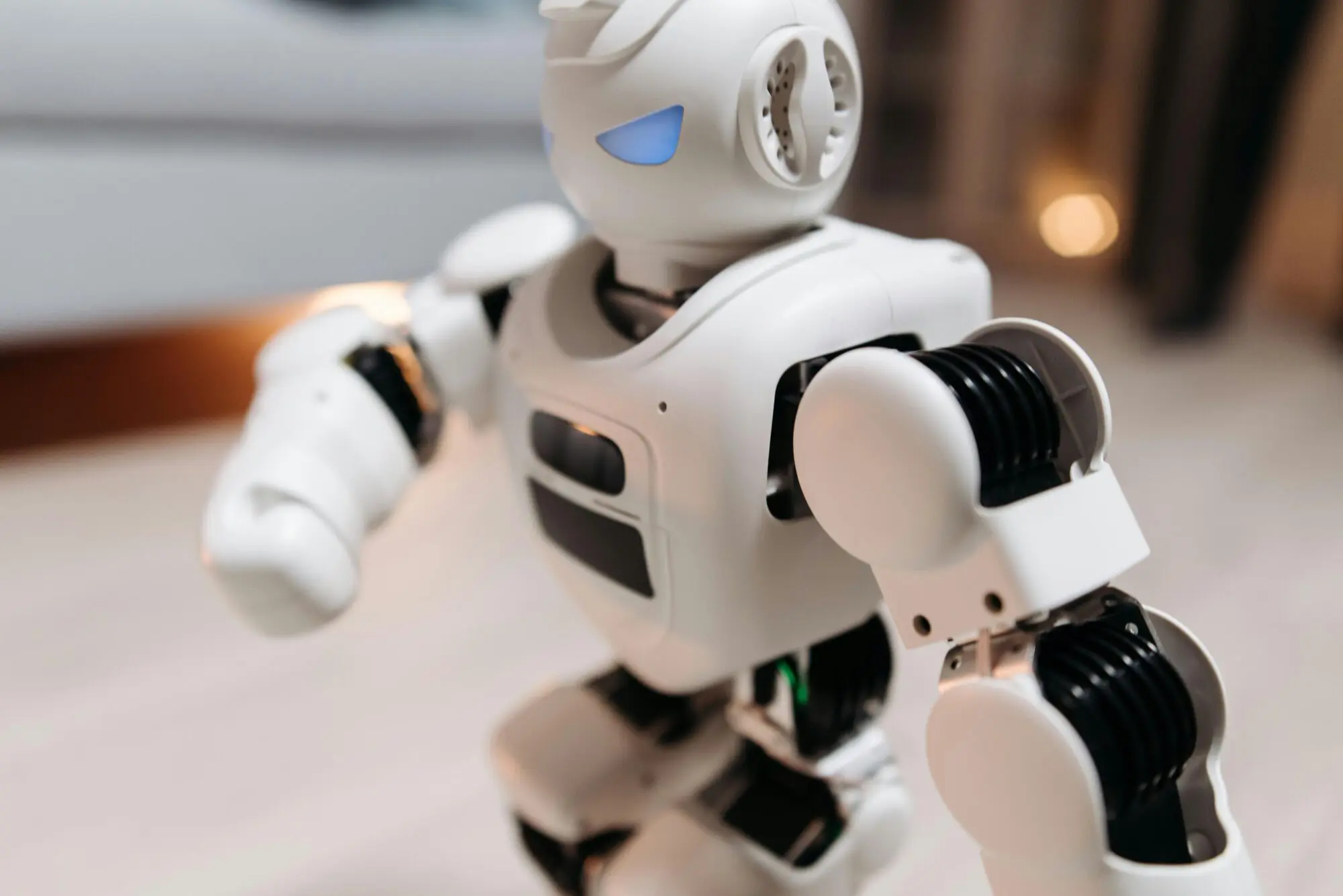
What once felt like science fiction is becoming a household reality. Consumer robots capable of performing chores, monitoring homes, assisting with caregiving, or providing companionship are nearing mainstream adoption. Autonomous drones for security and inspection are also becoming more common.
Robotic home helpers with quirky names such as Eggie, Neo, Isaac and Memo are some of the latest domestic robots in development over in Silicon Valley. “There are questions too about how much demand there will actually be for the bots. Will they just be the play things of the rich or will they become cheap enough for mainstream use in the same way that robot hoovers have become?,” the BBC reports.
“But for the engineers at the forefront of this technology there appears to be a confidence that they are truly building a future that all of us will want in our homes.”
4. Better tellies and smarter cars
Televisions are entering a new era. New Micro RGB TVs made a splash at CES 2026. And Micro-LED displays from the likes of Sony, Samsung, LG and other big brands will become far more affordable, enabling ultra-large screens to move into our living rooms. Add in Dolby Vision 2, and we might never want to leave our comfy home cinemas ever again.
Outside of the home, while fully self-driving cars are still a good way off, our actual cars will continue to get smarter, with better voice-control, AI driver-assistance and more intuitive screen-based controls and in-car entertainment systems.
5. Next-gen wearables and ‘preventive’ health tech
Expect to see huge improvements in smart glasses from the likes of Google and Meta in 2026, with lighter displays, better batteries, and genuinely useful AI features such as real-time translations and augmented reality maps to increase your pleasure of ‘flaneuring’ around the city.
Plus, beyond the iterative improvements in all of the usual fitness tracker tech, the industry is still driven to develop smaller, AI-enabled wearables that function as our “second brains”. Which sounds great (kinda), although the jury will remain out on this one…
The buzzwords in health and wellness wearable tech in 2026 will be ‘preventive’ and ‘proactive’, as big brands such as Samsung, Apple and new challenger brands such as smart ring developer Oura all work to find new ways to use body data and metrics to help us actively improve our mental and physical health.
6. AI-driven personalisation will underpin development
Underpinning the development of most of the above new apps, gadgets, software and hardware will be a step-change in the development of AI-driven personalisation. With OpenAI weighing up a move into consumer health apps in 2026, personalisation in health and wellness technology, in particular, will be a huge focus for developers in 2026.
All of this means that more conversational AI assistants and AI-powered wearable tech will move beyond merely offering recommendations, and instead learn more about your individual wants, needs, and desires.
Looking ahead
Consumer tech trends are not frivolous distractions from “serious” enterprise concerns. They are early indicators of how people expect technology to behave – intelligent, personalised, autonomous, and human-centered. By 2026, these expectations will collide with workplaces, cities, healthcare systems, and industries at scale.
The real question for leaders isn’t whether these trends will matter. It’s whether they’ll anticipate them, or scramble to catch up once employees and customers bring the future through the front door.