In 2014, Amazon launched its Fire phone. Though it feels like an age ago, it came at a time when the smartphone was in hot demand. We were already walking around with 6th generation iPhones in our pockets and vehemently defending our choice to Samsung Galaxy S5 owners. Believe it or not you could already buy version three of the iPad Mini.
In the run up to its launch, Amazon’s PR team went into overdrive, sending elaborate storybooks to reporters containing videos of people fawning over a mystery device. The phone was launched at the Fremont Theatre in Seattle, fronted by Bezos himself, who clearly meant business as he told the crowd that it was “time to whip the crown from Apple.”

Just 14 months later the device was discontinued. Amazon reportedly wrote off $170 million in unsold inventory as users and reviewers cited issues relating to a restrictive Amazon app store, confusing software, poor battery life and overheating. Such was the failure of the product, twelve years have passed and only now has Amazon hinted it might dip its toe back into the mobile hardware market.
Whatever you make of Bezos and his ability to deliver you absolutely anything at short notice, the events are a good lesson on why even a high impact launch from a big brand can fall flat without a good PR team and some solid tech to back it all up.
PR doesn’t stop at launch
Consumer tech PR can’t stop at launch coverage. Launch attention is useful, but trust is built or lost after consumers and reviewers have lived with the product. That’s where PR can help establish and support a brand.
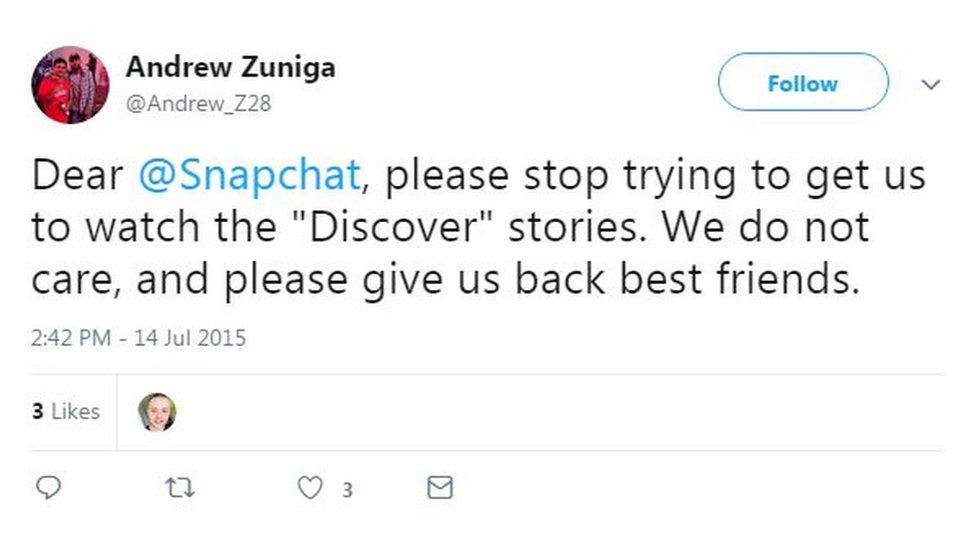
Twitter/AndrewZuniga
There are even examples where a brand has tried to push updates to successful products long after launch that were wildly unpopular. Snapchat pushed a redesign in 2018 that was so unpopular they eventually dropped it, Windows 8 tried to kill the start button, but Windows 10 brought it back. They even tried to change the flavour of Coke in 1985. I haven’t bought a U2 album since they forced us all to download their 2014 offering.
Ultimately, you need to win your die-hard users over and earn some buy-in from people outside of your core customer base too. Because what do you get the person who has everything? No, not an experience. You get them tech they don’t know they need yet. That you’ve heard through the grapevine (magazines, newspapers and social media) is a trustworthy, good quality brand. That you hope they haven’t already bought for themselves.
Here are some of the key components of post-launch PR:

- Reviewer packs with claims, proof points, specs and limitations
- Fast access to product experts and spokespeople
- Honest handling of known constraints
- Product comparison materials
- Review monitoring and response planning
- Credible use of customer feedback after launch
- Social discussion
- Briefing journalists and reviewers on meaningful product updates
- Creating useful, owned content: setup guides, FAQs, comparison explainers, update notes etc.
Visibility vs Credibility
Securing reviews is one of the core jobs of your PR team, but that needs to be backed up with ongoing infrastructure within the rest of the organisation, offering high-quality customer support, bug fixes, security and privacy management updates, which all feed into long-term reputation. Launch excitement needs to be backed by credibility, evidence and post-launch follow-through.
As proven by Amazon, there is a huge difference between visibility and credibility. Products can secure coverage and still struggle if the reviews are weak, the claims feel inflated, the setup experience is poor or customers feel ignored after purchase.
Customers are keeping products for longer than ever, so post-purchase experience matters. Brands need to communicate software updates, fixes, known issues, support resources, warranty information and upgrade value in plain English.
There are a number of ways to do this:
- Set up a launch blog or newsroom update explaining a major firmware update
- Operate a clear customer support hub linked from review and owned content
- Be transparent with a “known issues and fixes” page for early adopters
- Be direct in briefings for reviewers when important product updates change the user experience
- Deploy customer messaging that avoids defensive language when there are problems.
Five stars for effort
Most consumer tech buyers spend time to read reviews and articles from tech journalists, YouTubers, TikTok creators, Reddit threads, comparison articles and retail reviews before making a purchase. Good relationships with reviewers, testers and creators are a key part of your PR programme. It won’t explicitly affect your score, but it’s always good to be helpful, have the right product available along with all the right info, good product imagery and delivering the product promptly.
Depending on the product, a journalist might be commissioned to review you against your competitors and write a roundup of the best offerings on the market. If you make things difficult, it’s more than easy to drop you from the article. Their credibility as a reviewer is more important than doing you a favour, and they’re under no obligation to include you or say nice things about your product.
And they don’t care that you think your feature is a stand-out compared to the rest. If it doesn’t stand out on the day, they’re definitely not going to write that it does. You can’t really engineer positivity, but you can give credible reviewers what they need to test the product properly: clear claims, accurate specifications, access to spokespeople, transparent limitations, product comparisons and enough time with the device. The assumption is, of course, that the products do what the makers claim they do.
It goes without saying, but money can’t buy a good review either. Unless you explicitly state that it is an advertisement or paid for.
Influencer vs Journalist
The line between influencer and journalist is blurring, particularly when it comes to consumer products. The right influencer offering their own opinion can be worth as much or more than a review from a credible journalist in the right outlet. There are however some key differences between creators and journalists to be aware of. A creator relationship is almost always paid, gifted, affiliate-led or commercially controlled. This isn’t to say that all influencer reviews will be positive.
In fact, creators like Marques Brownlee can exert huge influence over the popularity of a product. He boasts an audience of more than 21 million subscribers. His review of the Humane AI Pin was titled “The Worst Product I’ve Ever Reviewed… For Now” and gained 9.4 million views.